
#MadeInWollongong
Success Stories
Southern IML Pathology
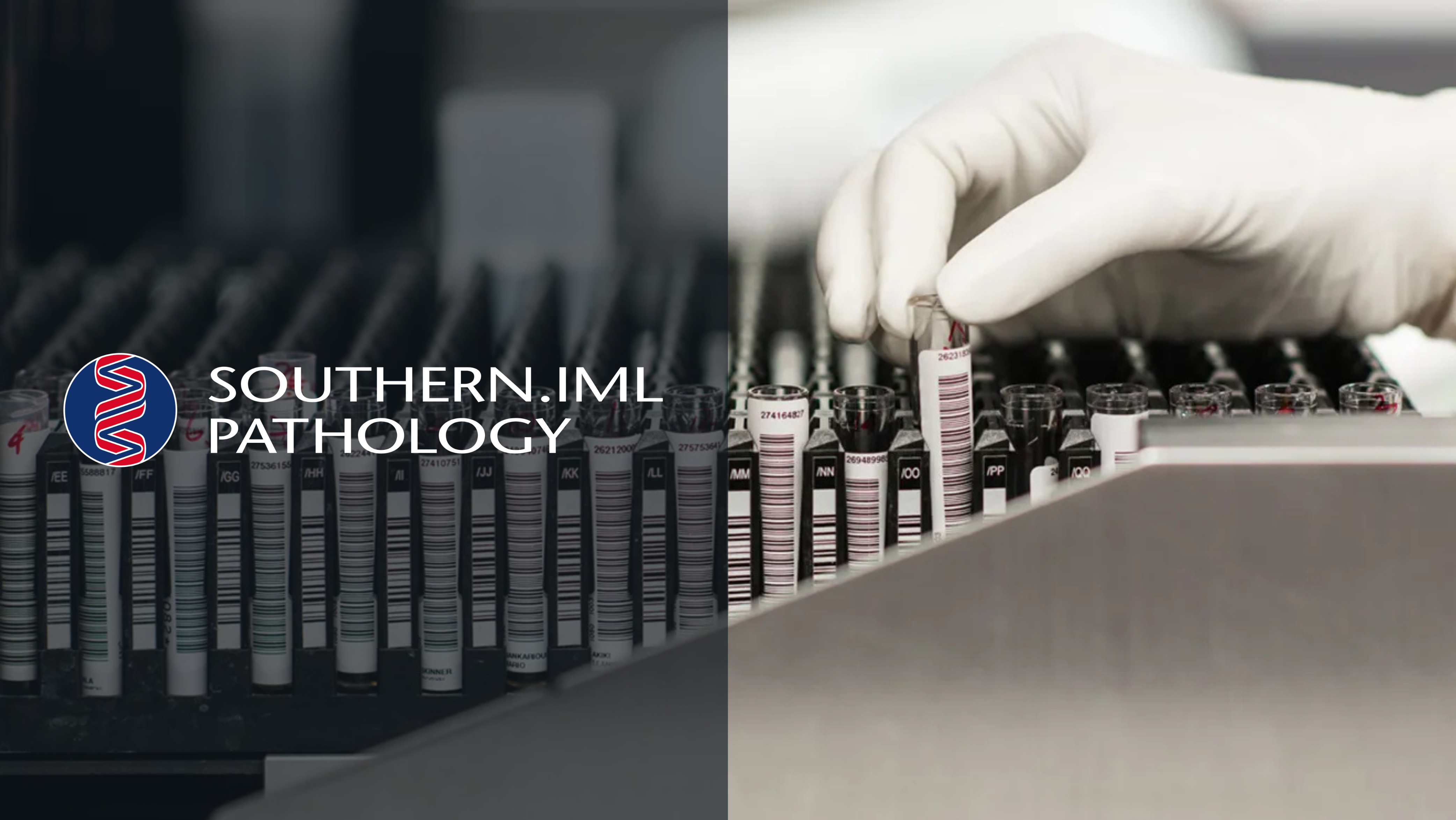 "Pathology is truly a team sport; we employ over 400 people here in Wollongong and it relies on every part of that team working exceptionally well to deliver the quality of results we produce for the community every day."
Prof. Caitlin Keighley, CEO at Southern IML Pathology
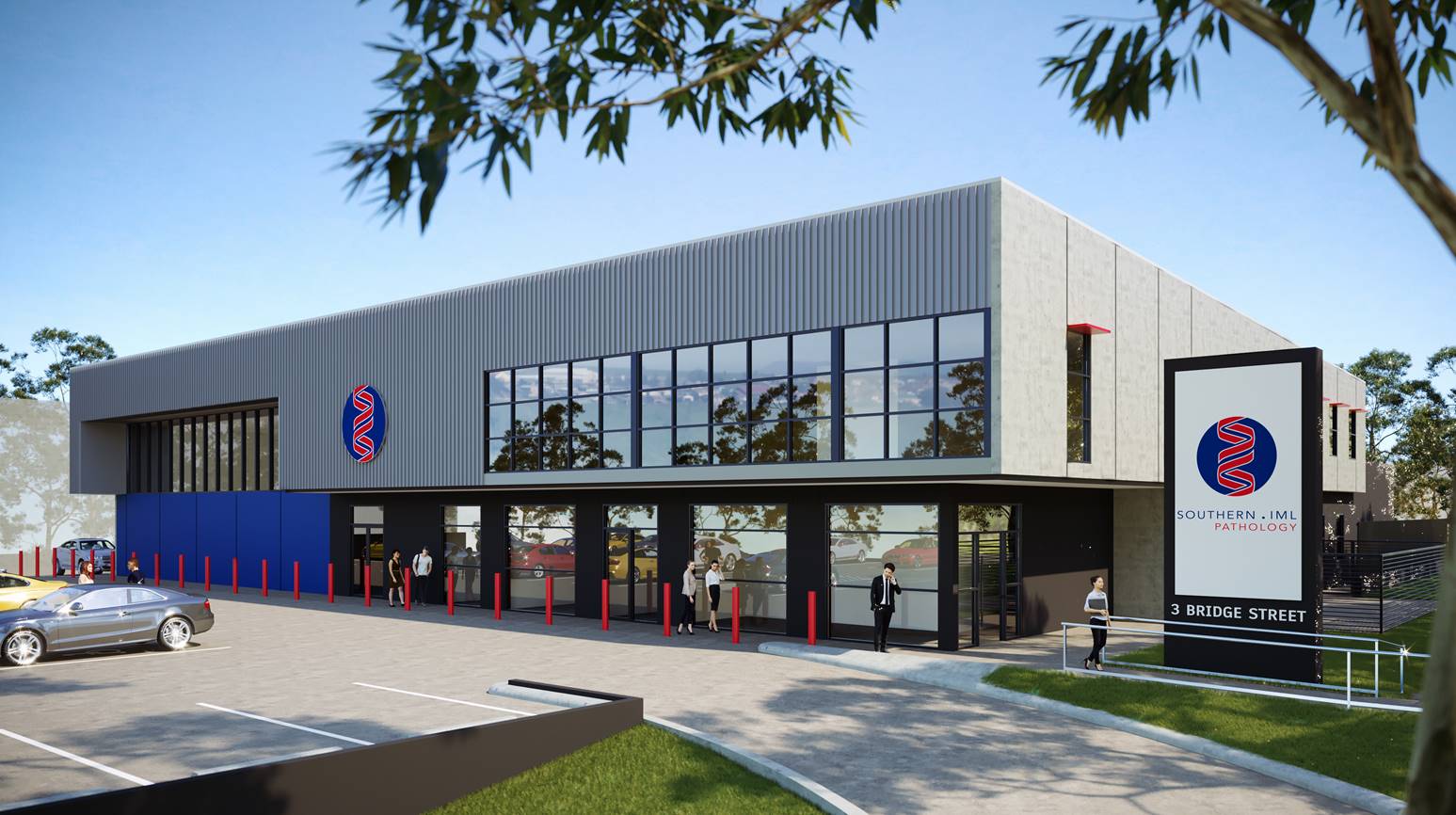
Headquartered in Wollongong, Southern IML Pathology operates the largest regional testing facility in NSW.
At Southern IML, around 4,000 samples are processed every day to deliver personalised, life-saving diagnostics to communities across the South Coast.
Unlike other regional cities, where samples are sent to metropolitan centres, Wollongong’s local capability keeps testing close to home enabling faster turnaround times, high quality and a trusted service for the community.
With a workforce of more than 400 employees, paired with an active role in research and training, Southern IML showcases the scale, capability and impact of Wollongong’s health sector.
Caitlin Keighley – CEO
IW: For people who might not know, what does Southern IML Pathology do?
Caitlin: If you've ever wondered where your blood tests go after the little tube is collected, they’re processed here locally at Southern IML. Every blood test, swab, and biopsy is processed here to provide the answers clinicians need to save lives.
We have collection centres from Engadine down to Narooma, and all of those samples along the South Coast are brought here and processed locally, which is unique. Other communities across New South Wales send their samples to Sydney.
Because of that, we’ve been able to maintain better turnaround times, quality, and a trusted service. We employ 400 staff, making us one of the biggest employers locally.
IW: And what role does the lab play in the region?
Caitlin: Our laboratory supports hospitals, GPs, specialists, and nursing homes across the region. Wollongong is actually a quaternary referral centre, a highly specialised centre for certain services.
We contribute to clinical care, teaching and training, research, advocacy, and policy development.
We’ve always had close links with the University of Wollongong, training medical students, supporting science and nursing, and contributing to research. That’s something we’re very proud of.
IW: Why Wollongong?
Caitlin: This is our headquarters, the scientific and operational heart of our services.
Wollongong is phenomenal. You’ve got the lifestyle, the beach, the mountains, but you’ve also got the talent pool and strong community connections that make this possible.
What we do here is truly for the community, in the community, by the community. We want people, when they think pathology, to think local, trusted, and committed.
IW: What does it take to deliver that?
Caitlin: Pathology is really a team sport. We have pathologists, scientists, IT specialists, and administrative staff. It relies on every part of that team working exceptionally well to deliver the quality of results we produce every day.
Catherine Sutherland – Managing Scientist
IW: So what actually happens inside the lab?
Catherine: I manage haematology and biochemistry, so I oversee the scientists and the tests that come in.
We run things like full blood counts, cardiac markers like troponin to diagnose heart attacks, hormone testing, liver and renal function, and we analyse red and white blood cells, including diagnosing leukaemias.
IW: How does the lab operate day-to-day?
Catherine: In the automated sections, haematology and biochemistry, everything is highly automated, but it still requires people to manage the analysers, maintain them, and review results before they’re sent to doctors.
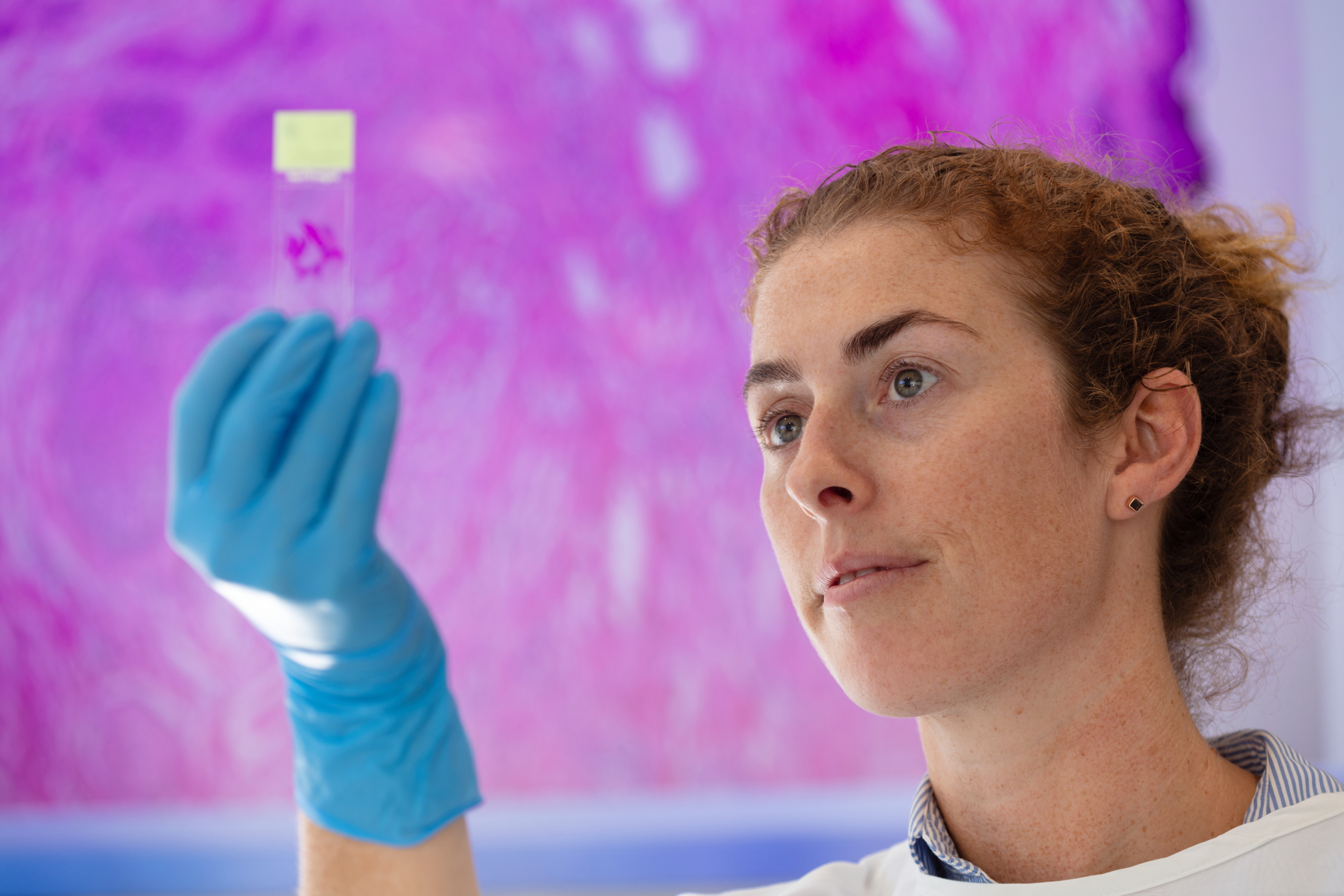
Then we have other departments like microbiology and anatomical pathology, which are much more manual. That’s where biopsies are processed, stained, and examined under the microscope, that’s how cancer is diagnosed.
IW: What kind of scale are you operating at?
Catherine: On any given day, we process between 3,000 and 4,000 patients in the automated lab, and around 200 to 300 patients in the manual histology section.
We receive all the samples from collection centres and run the testing locally. Most results are ready for GPs the next day, and some are available the same day.
That’s quite unique in Australia, to have a large regional lab like this available to GPs, specialists, and the community. It means patients get results much faster without samples needing to be sent elsewhere. That’s what makes us unique.
Bree Griffiths – Head of Training
IW: How do you build the workforce to support something like this?
Bree: We offer nationally accredited, pathology-based qualifications and skill sets to local people, with real employment outcomes. Since 2005, we’ve issued over 3,000 qualifications, with around 200 to 300 students each year.
IW: Who are those programs for?
Bree: We don’t just train Southern IML staff, we also train external participants. That includes people looking to reskill or upskill, school leavers, and university students wanting supplementary skills.
IW: What makes your training different?
Bree: All of our trainers come from pathology collection backgrounds, so we’re passionate about the industry and bring real hands-on experience. Our trainers and assessors really love the environment, and they pass on their skills and knowledge in a positive, practical way.
Learn more
Prof. Caitlin Keighley, CEO at Southern IML Pathology
Headquartered in Wollongong, Southern IML Pathology operates the largest regional testing facility in NSW.
Unlike other regional cities, where samples are sent to metropolitan centres, Wollongong’s local capability keeps testing close to home enabling faster turnaround times, high quality and a trusted service for the community.
With a workforce of more than 400 employees, paired with an active role in research and training, Southern IML showcases the scale, capability and impact of Wollongong’s health sector.
Caitlin Keighley – CEO
IW: For people who might not know, what does Southern IML Pathology do?
Caitlin: If you've ever wondered where your blood tests go after the little tube is collected, they’re processed here locally at Southern IML. Every blood test, swab, and biopsy is processed here to provide the answers clinicians need to save lives.
We have collection centres from Engadine down to Narooma, and all of those samples along the South Coast are brought here and processed locally, which is unique. Other communities across New South Wales send their samples to Sydney.
Because of that, we’ve been able to maintain better turnaround times, quality, and a trusted service. We employ 400 staff, making us one of the biggest employers locally.
IW: And what role does the lab play in the region?
Caitlin: Our laboratory supports hospitals, GPs, specialists, and nursing homes across the region. Wollongong is actually a quaternary referral centre, a highly specialised centre for certain services.
We contribute to clinical care, teaching and training, research, advocacy, and policy development.
We’ve always had close links with the University of Wollongong, training medical students, supporting science and nursing, and contributing to research. That’s something we’re very proud of.
IW: Why Wollongong?
Caitlin: This is our headquarters, the scientific and operational heart of our services.
Wollongong is phenomenal. You’ve got the lifestyle, the beach, the mountains, but you’ve also got the talent pool and strong community connections that make this possible.
What we do here is truly for the community, in the community, by the community. We want people, when they think pathology, to think local, trusted, and committed.
IW: What does it take to deliver that?
Caitlin: Pathology is really a team sport. We have pathologists, scientists, IT specialists, and administrative staff. It relies on every part of that team working exceptionally well to deliver the quality of results we produce every day.
Catherine Sutherland – Managing Scientist
IW: So what actually happens inside the lab?
Catherine: I manage haematology and biochemistry, so I oversee the scientists and the tests that come in.
We run things like full blood counts, cardiac markers like troponin to diagnose heart attacks, hormone testing, liver and renal function, and we analyse red and white blood cells, including diagnosing leukaemias.
IW: How does the lab operate day-to-day?
Catherine: In the automated sections, haematology and biochemistry, everything is highly automated, but it still requires people to manage the analysers, maintain them, and review results before they’re sent to doctors.
Then we have other departments like microbiology and anatomical pathology, which are much more manual. That’s where biopsies are processed, stained, and examined under the microscope, that’s how cancer is diagnosed.
IW: What kind of scale are you operating at?
Catherine: On any given day, we process between 3,000 and 4,000 patients in the automated lab, and around 200 to 300 patients in the manual histology section.
We receive all the samples from collection centres and run the testing locally. Most results are ready for GPs the next day, and some are available the same day.
That’s quite unique in Australia, to have a large regional lab like this available to GPs, specialists, and the community. It means patients get results much faster without samples needing to be sent elsewhere. That’s what makes us unique.
Bree Griffiths – Head of Training
IW: How do you build the workforce to support something like this?
Bree: We offer nationally accredited, pathology-based qualifications and skill sets to local people, with real employment outcomes. Since 2005, we’ve issued over 3,000 qualifications, with around 200 to 300 students each year.
IW: Who are those programs for?
Bree: We don’t just train Southern IML staff, we also train external participants. That includes people looking to reskill or upskill, school leavers, and university students wanting supplementary skills.
IW: What makes your training different?
Bree: All of our trainers come from pathology collection backgrounds, so we’re passionate about the industry and bring real hands-on experience. Our trainers and assessors really love the environment, and they pass on their skills and knowledge in a positive, practical way.